
Introduction
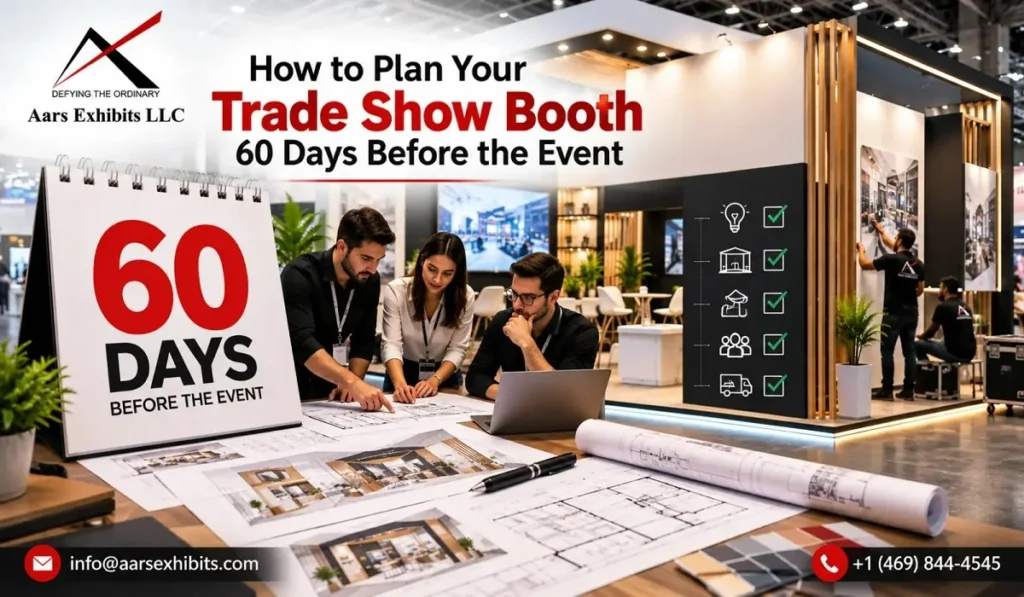
Days 60–50: Establish the Exhibition Strategy
- Lead goals that are measurable and centered on business goals.
- Visitors' profiles, priority accounts and meeting needs
- The rules of venues and restrictions on height, open sides, booth size, etc.
- Priorities, demonstration needs and presentation areas for products.
- Promotional giveaways, literature, business cards and digital assets
This short guide can help identify which of the following types of trade show display – custom-designed trade show displays, modular trade show booths, portable trade show displays or trade show booth rental – is the best fit for a trade show strategy.
Days 50–40: Select the Right Trade Show Booth Design
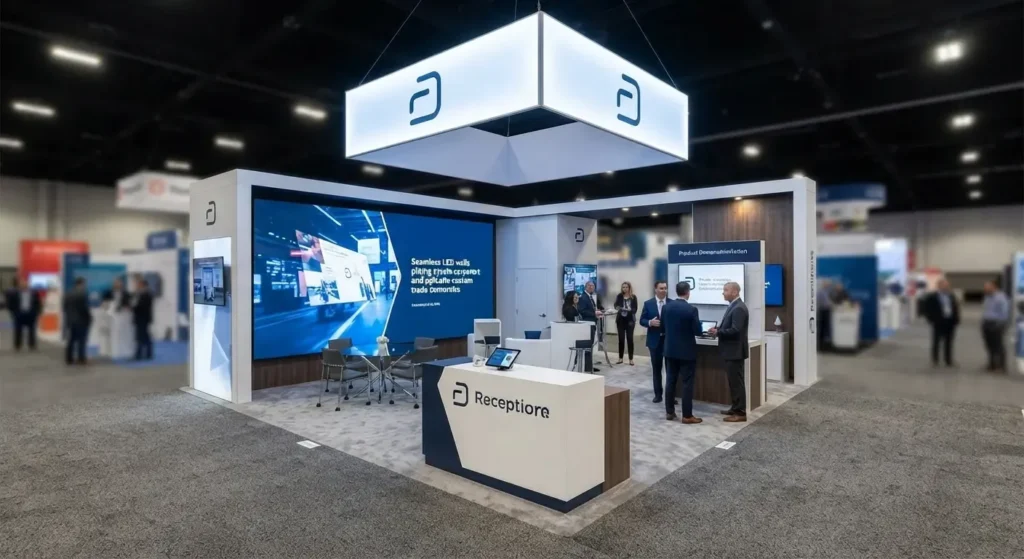
- The artwork, size, specification and brand will be final.
- Provide content, equipment, Internet, power and backups for screens.
- Samples and brochures, technical documents and business cards.
- The requirements for capturing and qualifying leads.
- Relevant promotional items
Days 30–20: Launch the Pre-Show Marketing
- Personalised invitation to Priority Accounts and Prospects.
- Planned meetings in line with show timetable
- Use LinkedIn announcements and countdown content.
- Any landing page or QR code with appointment forms is acceptable.
- Promotional items with the campaign message on them.
Days 20–10: Confirm Production, Logistics, and Staffing
Once the design is approved, coordinate closely with your trade show booth builder in USA to finalize the fabrication, packing, freight, installation, electrical requirements, deadlines, and dismantling.When applicable, ask for production visuals at the end of production.
Days 10–1: Complete the Trade Show Booth Checklist
- Graphics, logos, contact information and QR codes
- Items such as equipment, screens, lighting and charging materials.
- Samples, brochures, promotional material and business cards
- The staff schedule, talking points and meeting calendar are provided.
- Invoices and information about the installation of goods
What Are Some Common Tradeshow Mistakes?
How to Attract People to Your Trade Show Booth?
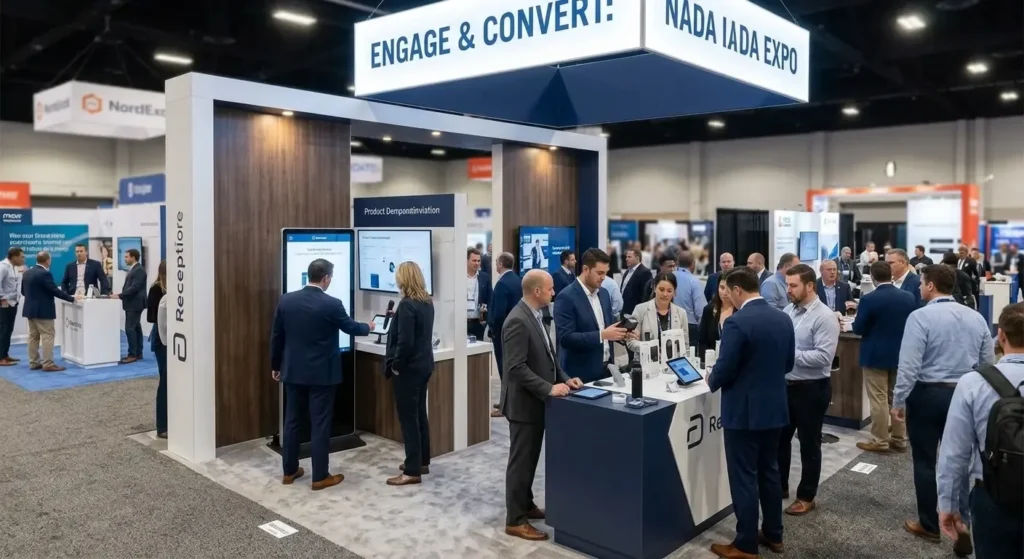
- A benefit-driven headline that is short and concise, and can be seen from the aisle.
- A presentation or demonstration of a live product, connected to an application.
- Interactive technology to increase understanding
- Sales outreach meetings resulting in pre-booking.
- Promotional items that are relevant to the brand and help promote it.
- Staff trained to start beneficial business discussions.
After the Event: Convert the Trade Show Experience
A 60-day plan puts the control in the hands of the exhibitors for creative development, production, marketing, staffing and logistics. The exhibition can be a coordinated B2B sales environment if the trade show booth design and execution partner is right. This is also a way of ensuring a team’s ‘commercial message’ is consistent from planning through post-show lead follow-up activities, and of holding marketing, sales, operations and procurement teams more accountable for each other’s actions. AARS Exhibits can help brands bring their business goals to life by creating custom exhibition environments to be seen, engaged, and measured for business conversations.